Mon–Fri 7:00 am – 3:30 pm

6047 Adams Ln, Allentown, PA 18109

Twin-Wire Arc & Flame Spray

Twin-wire arc spraying, often called metallizing, applies metal coatings quickly and economically for corrosion protection, dimensional restoration and large-scale work.

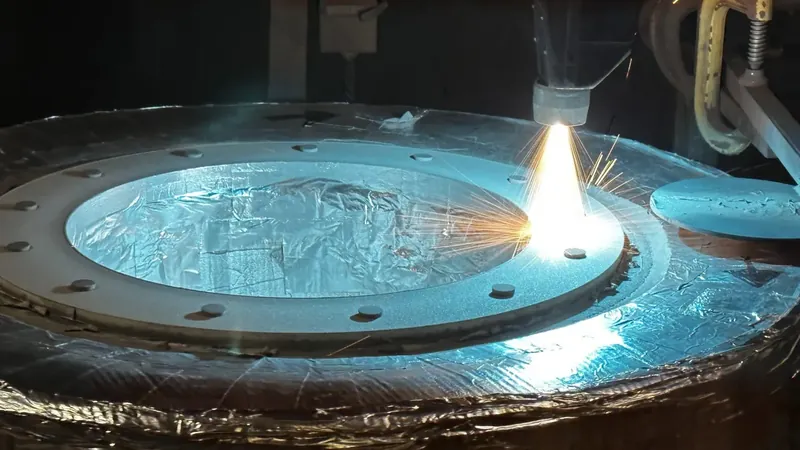
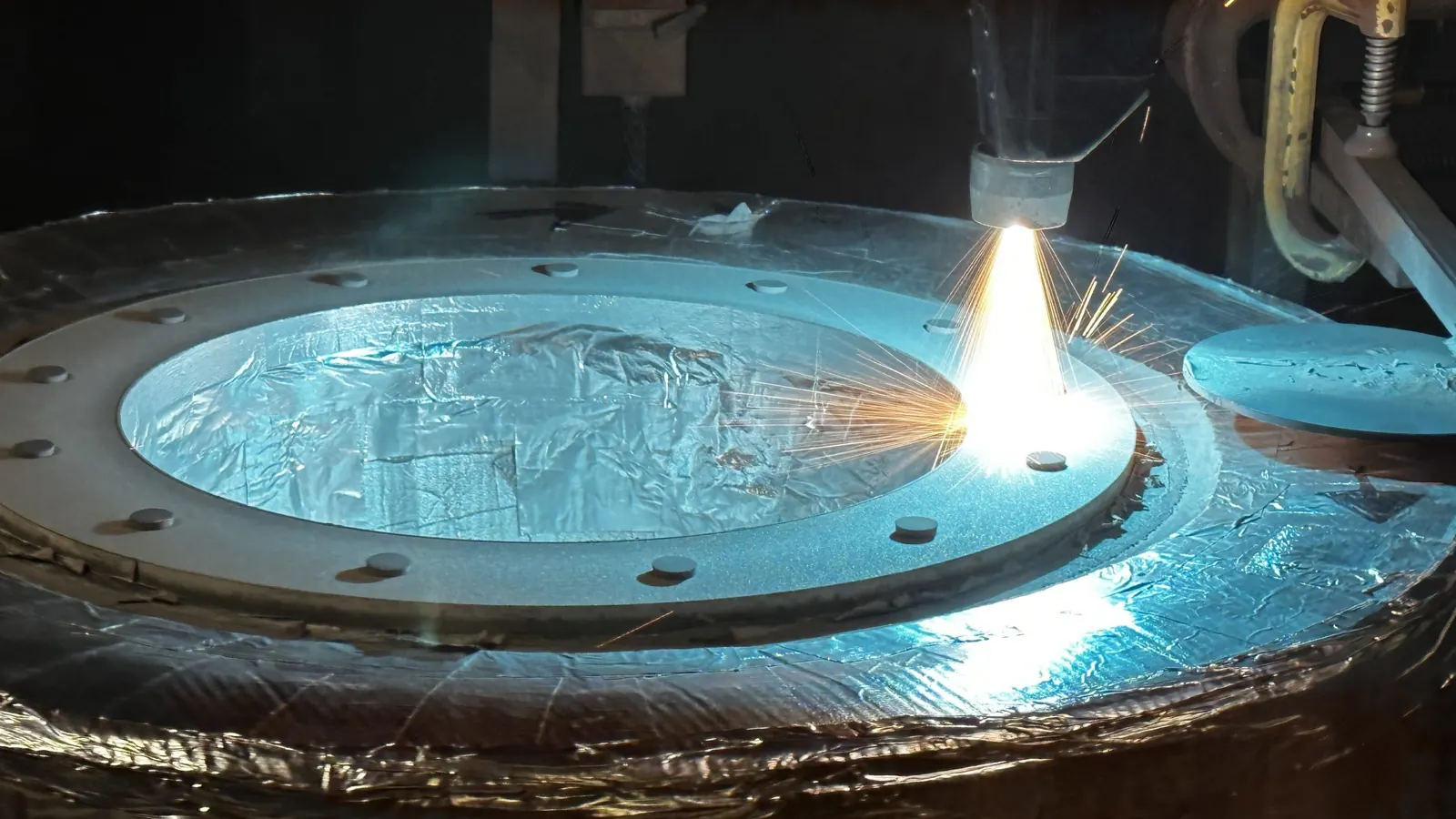
Twin-wire arc spray coating a flanged part

How twin-wire arc spraying works

An electric arc melts the tips of two conductive wires fed into the spray gun. Compressed air atomizes the molten metal and propels it onto the part.
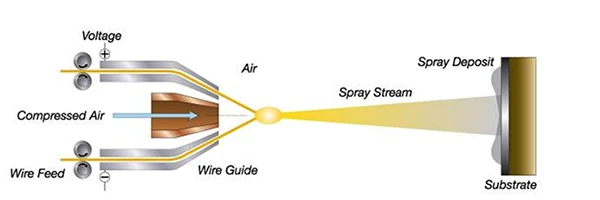
Diagram of twin-wire arc spraying: an arc between two fed wires melts them, and compressed air atomizes the metal into a spray stream onto the substrate
The twin-wire arc spray process

Twin-wire arc is often more cost-effective than higher-energy processes like plasma or HVOF. It suits large surfaces and cost-sensitive projects in industries such as infrastructure, marine and manufacturing.

Our computer-controlled system precisely regulates spray head air pressure and automates the spray rate. That produces high-density coatings with excellent bond strength, repeatable from part to part.

Materials

MaterialUsed for
ZincSacrificial corrosion protection for bridges, pipelines and marine structures
AluminumLightweight corrosion protection for ship hulls and chemical plants
Zinc-aluminumCorrosion resistance and durability for structural steel and wind turbines
Stainless steelWear and corrosion resistance for machinery and pump shafts
Nickel-chromiumHigh-temperature resistance for boiler tubes and turbines
CopperElectrical conductivity for bus bars and connectors
BronzeReduced friction in bearings and marine hardware

Applications

  • Corrosion protection: zinc or aluminum coatings shield bridges, pipelines, offshore platforms and ship hulls from rust and saltwater.
  • Dimensional restoration: low-carbon or stainless steel coatings rebuild worn parts like crankshafts and hydraulic cylinders.
  • Bond layers: a metal bond coat under ceramic and other top coats.
  • Electrical conductivity: copper coatings for connectors and bus bars.
  • High-temperature resistance: nickel-chromium coatings protect boiler tubes and turbines from heat and oxidation.

Combustion flame spray

Flame spraying melts the coating material in an oxy-fuel flame. We use it alongside twin-wire arc for dimensional repair, and it is the first step of our spray-and-fuse coatings. Abradable coatings are also typically applied by plasma or combustion flame spray.
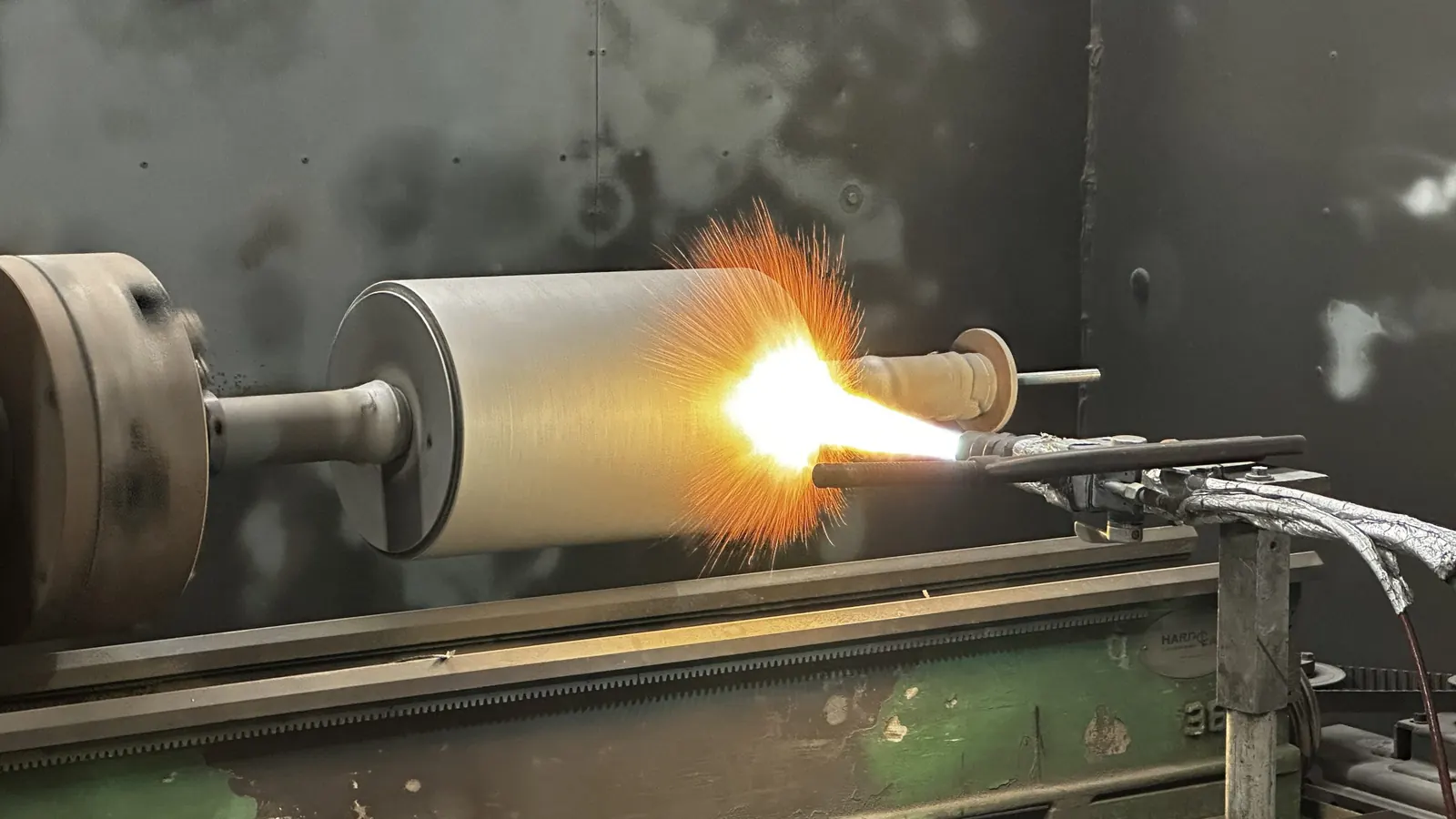
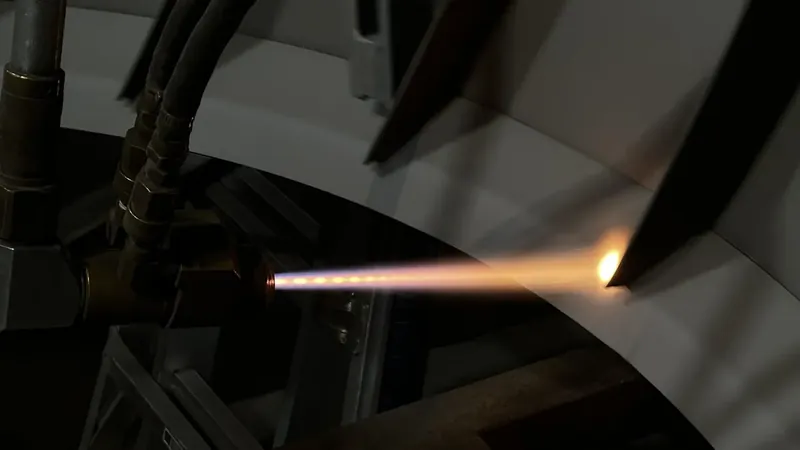
Flame spray coating a roll
Flame spray coating

Get a quote

Send your drawing, with the coating spec if you have one, and we’ll get back to you with a quote. No spec yet? We’ll recommend a coating and process.

610-871-1427
Mon–Fri 7:00 am – 3:30 pm

Coating processes

Five processes, all in-house

We run five thermal spray processes in our Allentown shop and apply the coating your drawing calls for, or recommend one if you don’t have a spec yet.

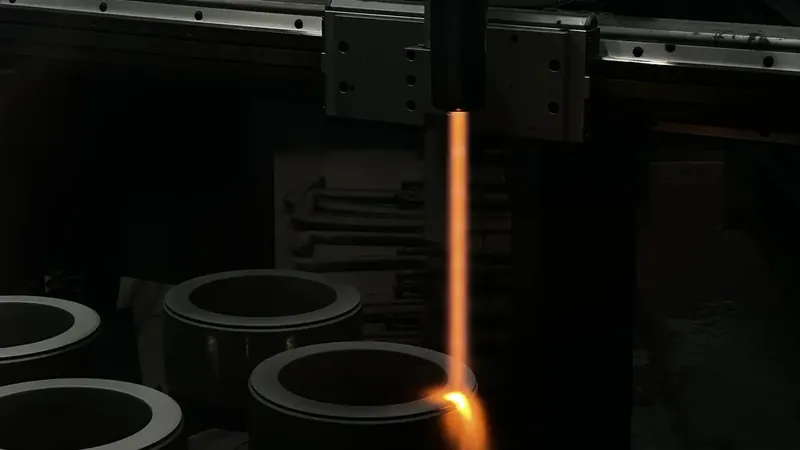
HVOF spray applying carbide coating

HVOF Coating

Supersonic oxy-fuel spray for dense, well-bonded carbide and alloy coatings that resist wear and corrosion.

Used for

Wear + corrosion

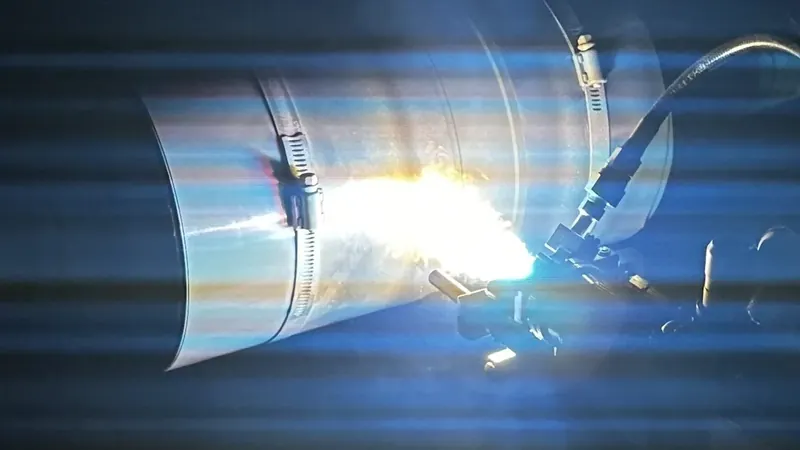
HVAF spray applying tungsten carbide coating to rings

HVAF Coating

Air-fuel spray that keeps carbides cooler, giving harder, near-oxide-free coatings with better impact resistance.

WC hardness

1,250–1,500 HV300

Plasma spray coating a large cylindrical part

Plasma Spray

High-temperature plasma for chromium oxide, aluminum oxide and other ceramics, plus abradable clearance-control coatings.

Used for

Ceramics & abradables

Twin-wire arc spray coating a flanged part

Twin-Wire Arc & Flame

Fast, economical metal build-up for dimensional repair and corrosion protection on large surfaces.

Used for

Repair & build-up

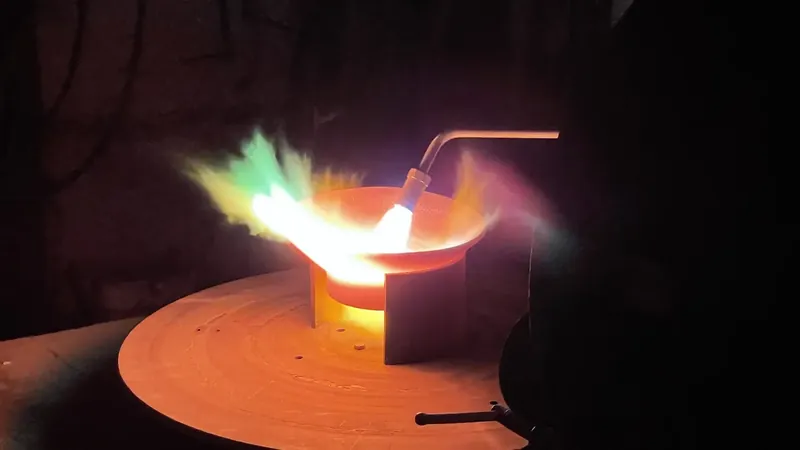
Torch fusing a sprayed self-fluxing alloy coating

Fused Coatings

Self-fluxing alloys sprayed, then fused at 1,800–2,200 °F into a metallurgical bond that stands up to abrasion, corrosion and impact.

Hardness

50–65 HRC

Have a part to coat?

Send the drawing with your quantity and timeline. Include the coating spec if you have one; if not, we’ll recommend a coating and process.

Request a quote

Tell us about your part

Attach your drawing, and the coating spec if you have one. No spec yet? Tell us how the part is used and we’ll recommend a coating and process with the quote.

    PDF, DWG, DXF, STEP, JPG or PNG · up to 25 MB
    Drawings are kept confidential. See our privacy policy.