Mon–Fri 7:00 am – 3:30 pm

6047 Adams Ln, Allentown, PA 18109

Fused Coatings

Spray-and-fuse coatings are diffusion-bonded to the part, giving a seamless metallurgical bond that resists abrasion, corrosion and impact.

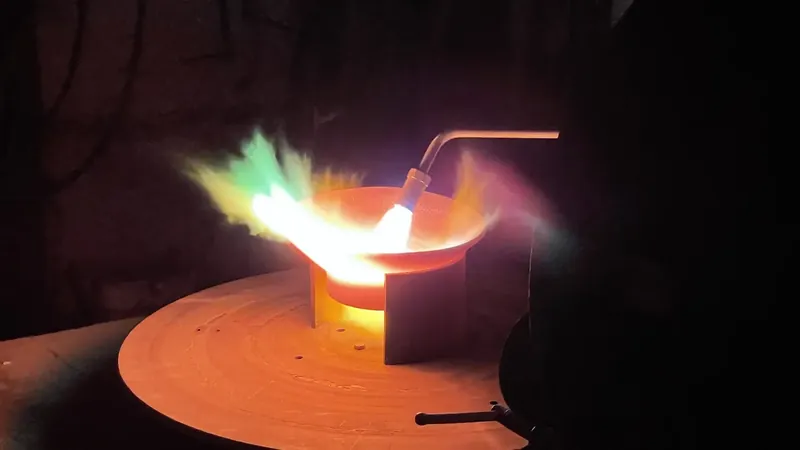
Torch fusing a sprayed self-fluxing alloy coating

The spray-and-fuse process

Fused coatings, also called spray-and-fuse or diffusion-bonded coatings, start as self-fluxing alloy powder, typically nickel- or cobalt-based. The powder is flame-sprayed onto the part with an oxy-fuel torch. The part is then heated to 1,800–2,200 °F (1,000–1,200 °C) by torch, furnace or induction, so atoms diffuse between coating and substrate.

The result is a seamless, dense coating that is metallurgically bonded to the base metal.

Advantages of fused coatings

  • Impact resistance: the metallurgical bond adheres more strongly than HVOF or plasma coatings, so the coating withstands moderate impact loads without delaminating.
  • Hardness and corrosion resistance: 600–800 HV (roughly 55–64 HRC), extending component life in harsh environments.
  • Typical parts: pump sleeves, rollers and other components that take impact.

Self-fluxing alloys

AlloyPropertiesHardness after fusing
Ni-Cr-B-SiCorrosion resistance and hardness50–60 HRC
Ni-Cr-Mo-B-SiEnhanced corrosion resistance58–63 HRC
Ni-Cr-B-Si-WCHigh wear resistance from added tungsten carbide particles60–65 HRC

Many other self-fluxing alloys are available, including cobalt-based Co-Ni-Cr-W-B-Si.
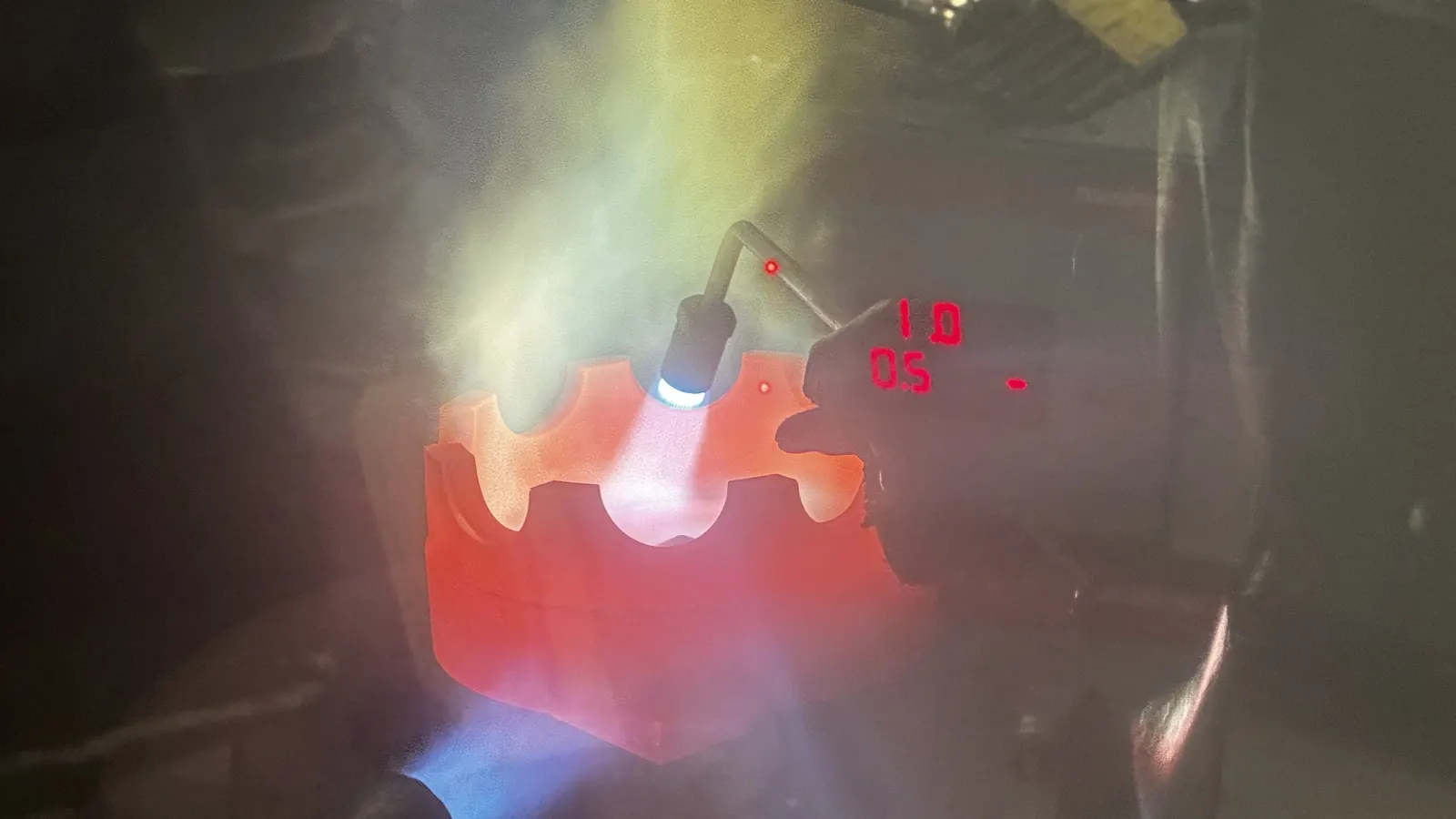
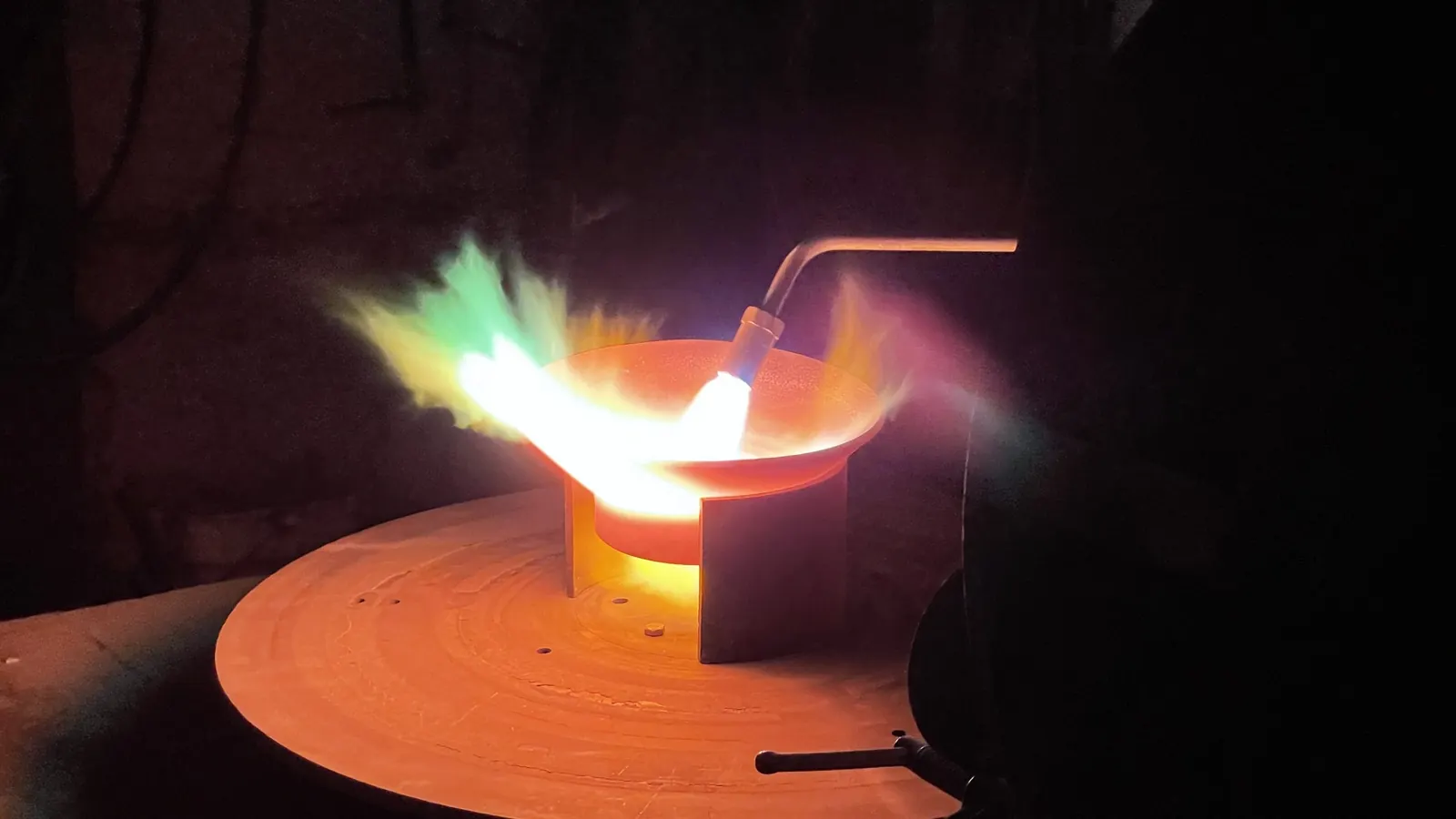
Spray-and-fuse coating being fused with a torch
Spray-and-fuse coating

Finished in-house

Grinding, CNC machining, precision flat lapping and super finishing all happen in our Allentown facility, so fused parts leave at final tolerances.
Get a quote

Send your drawing, with the coating spec if you have one, and we’ll get back to you with a quote. No spec yet? We’ll recommend a coating and process.

610-871-1427
Mon–Fri 7:00 am – 3:30 pm

Coating processes

Five processes, all in-house

We run five thermal spray processes in our Allentown shop and apply the coating your drawing calls for, or recommend one if you don’t have a spec yet.

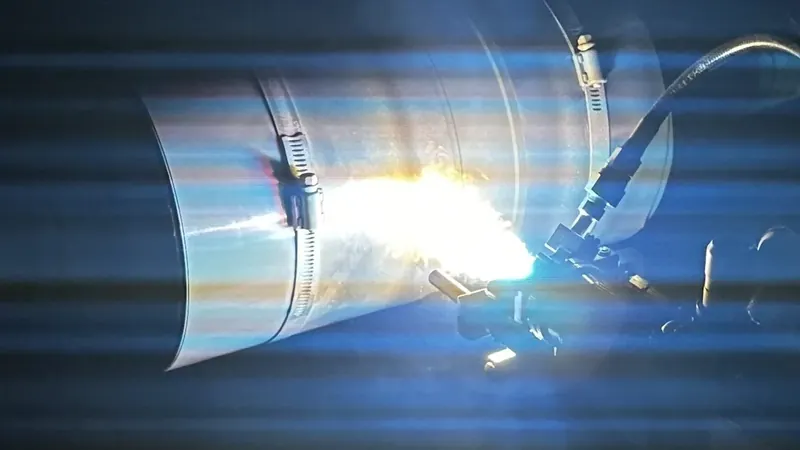
HVOF spray applying carbide coating

HVOF Coating

Supersonic oxy-fuel spray for dense, well-bonded carbide and alloy coatings that resist wear and corrosion.

Used for

Wear + corrosion

HVAF spray applying tungsten carbide coating to rings

HVAF Coating

Air-fuel spray that keeps carbides cooler, giving harder, near-oxide-free coatings with better impact resistance.

WC hardness

1,250–1,500 HV300

Plasma spray coating a large cylindrical part

Plasma Spray

High-temperature plasma for chromium oxide, aluminum oxide and other ceramics, plus abradable clearance-control coatings.

Used for

Ceramics & abradables

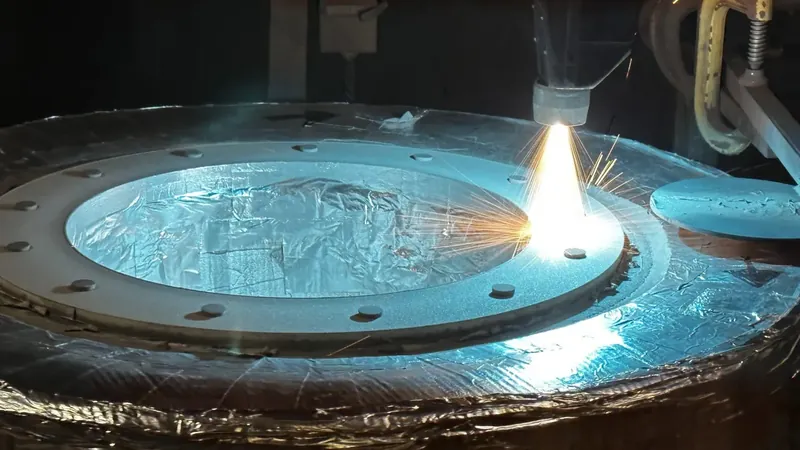
Twin-wire arc spray coating a flanged part

Twin-Wire Arc & Flame

Fast, economical metal build-up for dimensional repair and corrosion protection on large surfaces.

Used for

Repair & build-up

Torch fusing a sprayed self-fluxing alloy coating

Fused Coatings

Self-fluxing alloys sprayed, then fused at 1,800–2,200 °F into a metallurgical bond that stands up to abrasion, corrosion and impact.

Hardness

50–65 HRC

Have a part to coat?

Send the drawing with your quantity and timeline. Include the coating spec if you have one; if not, we’ll recommend a coating and process.

Request a quote

Tell us about your part

Attach your drawing, and the coating spec if you have one. No spec yet? Tell us how the part is used and we’ll recommend a coating and process with the quote.

    PDF, DWG, DXF, STEP, JPG or PNG · up to 25 MB
    Drawings are kept confidential. See our privacy policy.