Mon–Fri 7:00 am – 3:30 pm

6047 Adams Ln, Allentown, PA 18109

Plasma Spray Coatings

Plasma spraying melts the high-melting-point ceramics and refractory materials other processes can’t, for wear, thermal and abradable coatings.

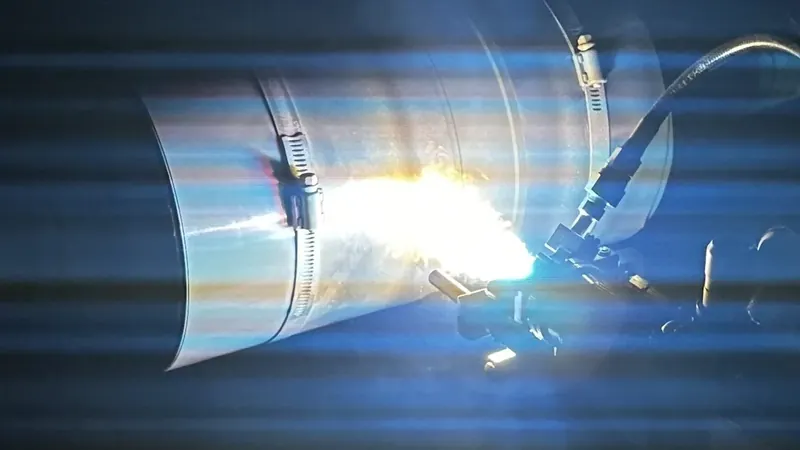
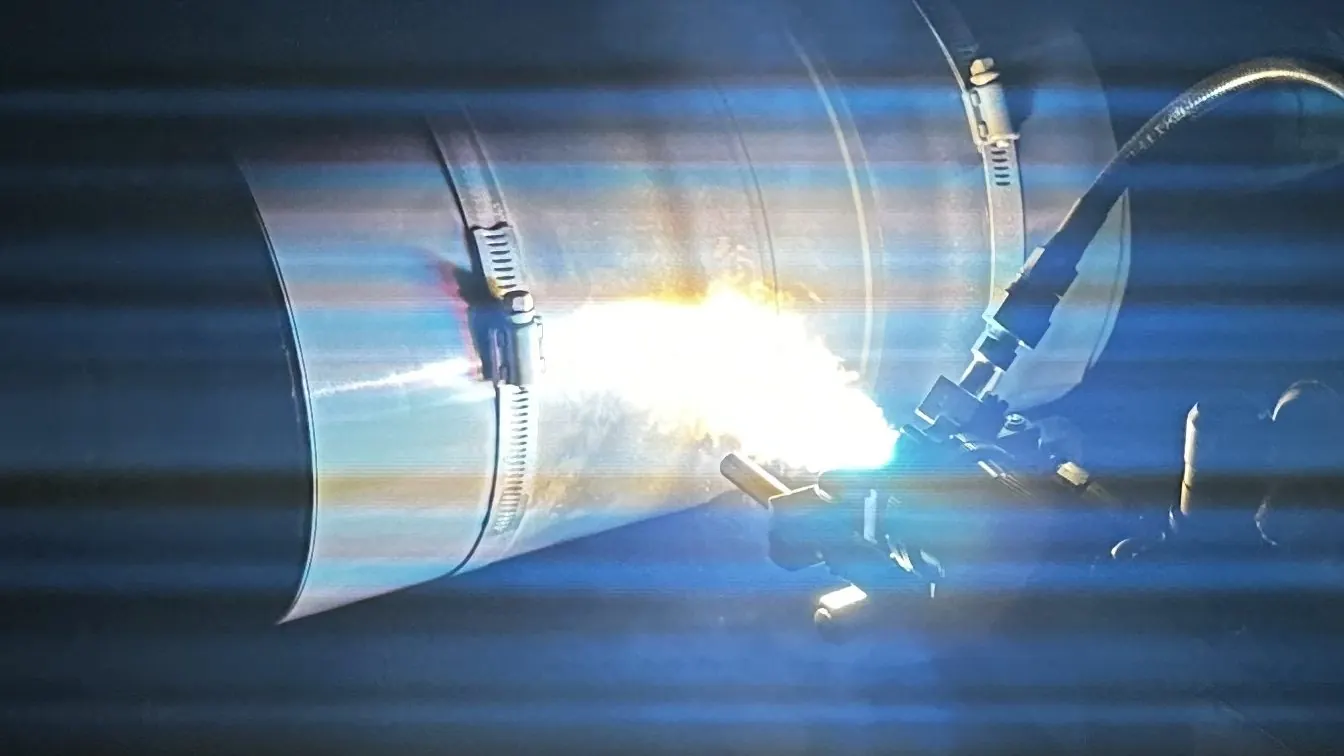
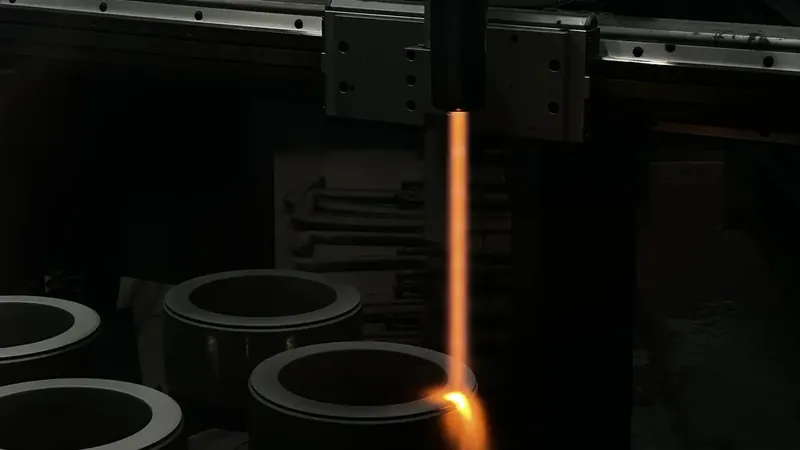
Plasma spray coating a large cylindrical part

How plasma spraying works

We use a non-transferred arc plasma process. An arc between an electrode and a constricting nozzle ionizes the gas stream into a high-energy plasma reaching up to 30,000 °F. Powder injected into the plasma melts and is propelled onto the workpiece, forming coatings from a few micrometers to several millimeters thick.
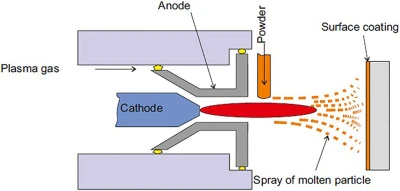
Diagram of plasma spraying: an arc between cathode and anode heats the plasma gas, and powder injected into the plasma is sprayed onto the surface as molten particles
The plasma spray process

What we apply

Plasma is our process for high-melting-point materials: chromium oxide, aluminum oxide and other ceramics, and refractory materials. We also use it to produce abradable coatings for clearance control in rotating machinery.

Applications

  • Clearance control: abradable coatings hold tight clearances in rotating machinery such as gas turbines.
  • Thermal barriers: shield gas turbine blades, engine parts and industrial furnace linings from extreme heat.
  • Energy equipment: heat and corrosion resistance for boiler tubes and wind turbine parts.
  • Valve parts: protection from corrosion, wear and high temperatures in automotive, oil and gas, and industrial systems.
  • Chemically inert surfaces: for chemical processing and medical equipment.
  • Semiconductor manufacturing: wafer processing equipment exposed to chemicals and high temperatures.
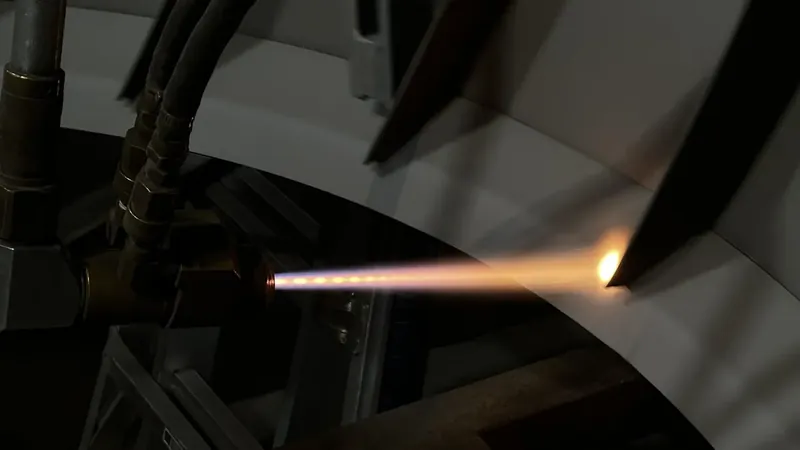
Plasma coating the inside surface of a large cyclone

Finished in-house

We diamond grind, diamond lap or diamond super finish plasma coatings to your specifications. Plasma-sprayed ceramics can be ground and lapped to a 4 Ra finish.
Get a quote

Send your drawing, with the coating spec if you have one, and we’ll get back to you with a quote. No spec yet? We’ll recommend a coating and process.

610-871-1427
Mon–Fri 7:00 am – 3:30 pm

Coating processes

Five processes, all in-house

We run five thermal spray processes in our Allentown shop and apply the coating your drawing calls for, or recommend one if you don’t have a spec yet.

HVOF spray applying carbide coating

HVOF Coating

Supersonic oxy-fuel spray for dense, well-bonded carbide and alloy coatings that resist wear and corrosion.

Used for

Wear + corrosion

HVAF spray applying tungsten carbide coating to rings

HVAF Coating

Air-fuel spray that keeps carbides cooler, giving harder, near-oxide-free coatings with better impact resistance.

WC hardness

1,250–1,500 HV300

Plasma spray coating a large cylindrical part

Plasma Spray

High-temperature plasma for chromium oxide, aluminum oxide and other ceramics, plus abradable clearance-control coatings.

Used for

Ceramics & abradables

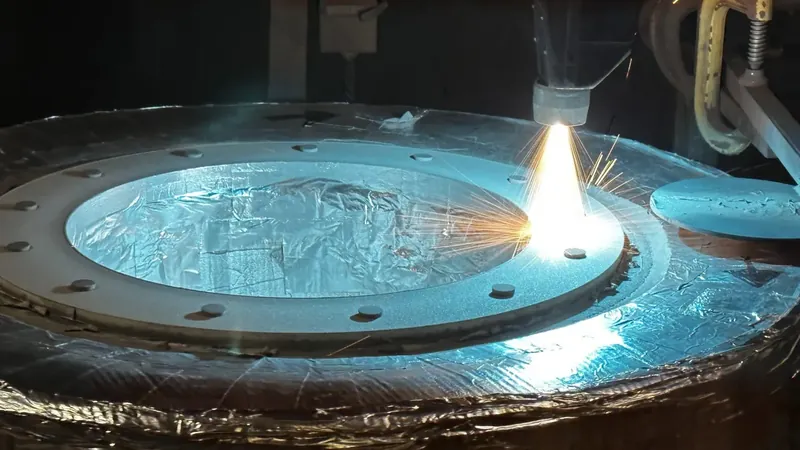
Twin-wire arc spray coating a flanged part

Twin-Wire Arc & Flame

Fast, economical metal build-up for dimensional repair and corrosion protection on large surfaces.

Used for

Repair & build-up

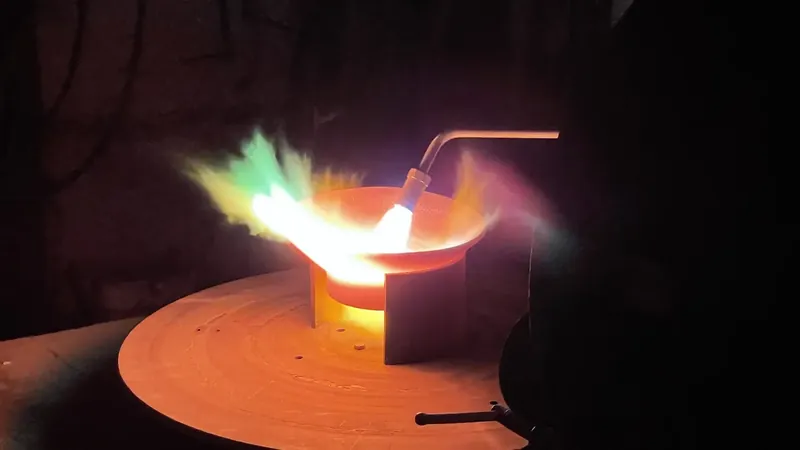
Torch fusing a sprayed self-fluxing alloy coating

Fused Coatings

Self-fluxing alloys sprayed, then fused at 1,800–2,200 °F into a metallurgical bond that stands up to abrasion, corrosion and impact.

Hardness

50–65 HRC

Have a part to coat?

Send the drawing with your quantity and timeline. Include the coating spec if you have one; if not, we’ll recommend a coating and process.

Request a quote

Tell us about your part

Attach your drawing, and the coating spec if you have one. No spec yet? Tell us how the part is used and we’ll recommend a coating and process with the quote.

    PDF, DWG, DXF, STEP, JPG or PNG · up to 25 MB
    Drawings are kept confidential. See our privacy policy.